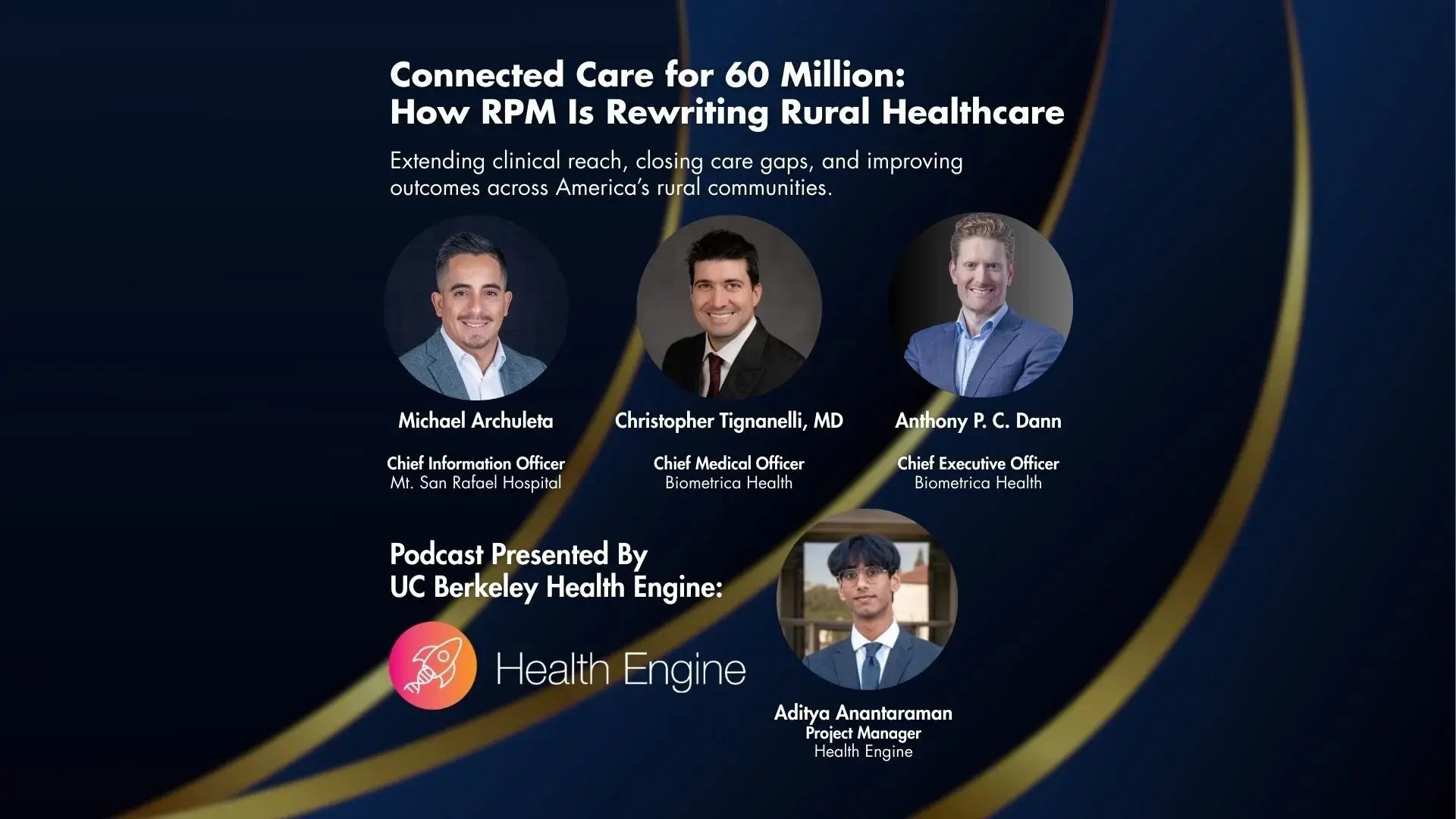


How RPM keeps patients connected to their care team, catches problems earlier, and supports better outcomes at home
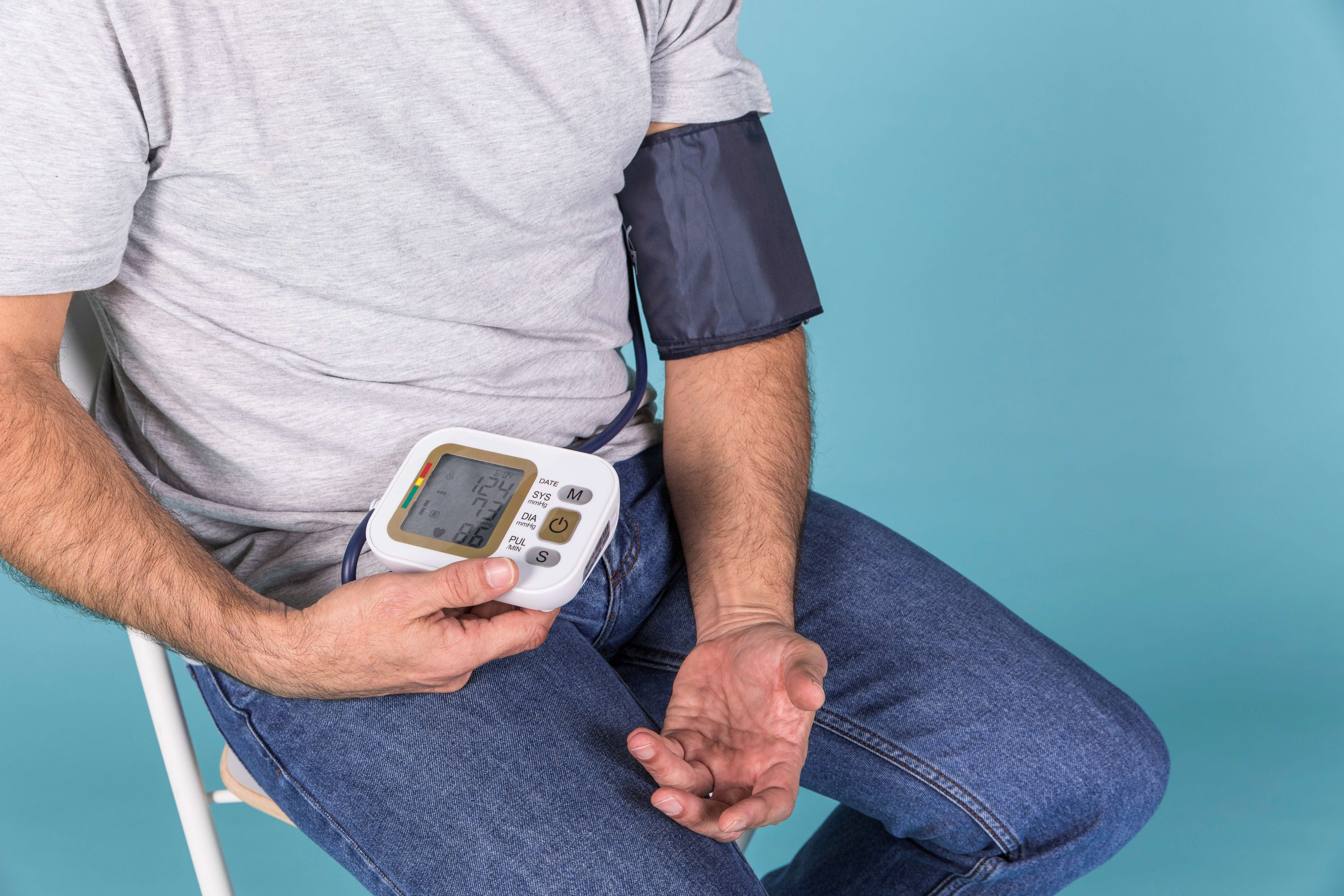
For patients managing chronic conditions such as diabetes, hypertension, or heart disease, healthcare can feel like it happens in disconnected snapshots -- a visit every few months, with little visibility into what is happening in between. Remote patient monitoring (RPM) changes that equation by keeping patients connected to their care team continuously, from home.
The research is clear on how much of a difference this makes. Across more than 100 peer-reviewed studies, RPM has been shown to reduce hospitalizations, improve chronic disease outcomes, and support a more proactive approach to care -- particularly for patients in rural and underserved communities where access to frequent in-person care is limited.
Here are the top 10 benefits of remote patient monitoring for patients, grounded in clinical evidence.
1. Fewer Trips to the Clinic
One of the most immediate benefits of RPM for patients is reduced need for in-person check-ins. Care teams can monitor key health data—including blood pressure, blood sugar, weight, and oxygen levels—without requiring the patient to travel to the clinic for routine follow-up. This is especially meaningful for patients in rural areas, older adults, and anyone managing work and caregiving responsibilities alongside a chronic condition. For a patient driving 45 minutes each way for a routine blood pressure check, remote patient monitoring is not a convenience—it is a lifeline.
2. Fewer Hospital Stays
RPM has a measurable impact on hospitalization rates, one of the most expensive and disruptive outcomes for patients managing chronic disease. One large study found RPM reduced 30-day hospital readmissions from 41% to just 11% among high-risk patients (Parlapalli et al., 2026). For patients with heart failure or COPD specifically, remote monitoring programs have been associated with 20 to 58% reductions in condition-related hospitalizations (Janjua et al., 2021; Ezimoha et al., 2025; UMass Memorial-Harrington / AJMC, 2024). Reduced hospitalizations also mean lower out-of-pocket costs and fewer disruptions to daily life—meaningful outcomes for patients and their families.
3. Problems Caught Earlier
The gap between appointments is where chronic conditions silently change direction. Remote patient monitoring closes that gap by giving care teams continuous data rather than periodic snapshots. Because care teams review readings regularly—not once every few months—they can detect concerning trends early and reach out proactively before a problem escalates.
The clinical outcomes reflect this. In one study of patients with resistant hypertension, 74% reached blood pressure control within 12 months while enrolled in a remote monitoring program (American Heart Association, 2024). In a larger retrospective cohort of over 6,500 hypertension patients, RPM reduced uncontrolled hypertension rates from 66.3% to 40.2% (Smith, Colbert, Namouz et al., 2024). Early detection of deterioration is consistently cited as one of the primary clinical benefits of RPM across conditions including heart failure, COPD, and diabetes.
4. Easy-to-Use Devices
A common concern among patients—and the providers who care for them—is whether home monitoring technology is too complicated to use consistently. For RPM to deliver its clinical benefits, patients need to actually use the devices.
Biometrica's supported devices are designed with this in mind. Most connect automatically over cellular networks, with no Wi-Fi setup, smartphone pairing, or technical experience required. For elderly patients and those in rural communities with limited broadband access, cellular-enabled remote monitoring devices are not an upgrade—they are a prerequisite for the program to function at all.
5. More Personalized Chronic Disease Management
With frequent data flowing to the care team, providers can tailor medication and treatment plans to how each patient is actually responding—not to how they appeared at a clinic visit three months ago. One study demonstrated meaningful improvements in Stage 2 hypertension patients using RPM, with an average 16.7 mmHg reduction in systolic blood pressure (Smith, Colbert, Namouz et al., 2024). This level of precision in chronic disease management is not achievable through episodic care alone.
6. Greater Independence at Home
For older adults and patients with mobility challenges, the ability to receive high-quality chronic care management from home—rather than relying on frequent in-person visits or facility-based care—is a significant quality-of-life benefit. Remote patient monitoring supports aging in place by extending the care team's reach into the patient's home environment, providing continuous clinical oversight without continuous clinical visits. Research shows that RPM is associated with a 16% reduction in all-cause mortality among heart failure patients (Scholte et al., 2023)—a finding that reflects not just clinical technology, but clinical continuity.
7. Stronger Connection to the Care Team
Research shows patients typically receive only about 55% of the care clinically recommended for their condition (McGlynn et al., NEJM). A significant part of that gap is the absence of regular touchpoints between visits. Remote monitoring creates natural, low-friction touchpoints between patients and their care teams—making it easier to stay on top of recommended care, ask questions, and flag concerns before they become bigger problems. Patients enrolled in RPM programs consistently report feeling more connected to their providers and more supported between appointments.
8. Support for Multiple Chronic Conditions
Remote patient monitoring adapts to a patient's specific health needs and can expand to support more than one condition through a single, consistent system. Whether managing hypertension, diabetes, congestive heart failure, COPD, or a combination of conditions, RPM programs provide a unified monitoring infrastructure that grows with the patient's clinical complexity. For patients managing multiple chronic conditions—a common profile in rural and Medicare populations—this integration reduces the burden of coordinating care across multiple providers and programs.
9. Better Health Outcomes, Backed by Research
The clinical evidence for RPM's impact on patient outcomes is both broad and specific. Key findings across peer-reviewed research include:
-
16% reduction in all-cause mortality for heart failure patients (Scholte et al., 2023)
-
Nearly 50% reduction in major cardiovascular events including heart attack and stroke among hypertension monitoring program participants (Margolis et al., 2020)
-
58% fewer COPD-related hospitalizations in monitored populations (Janjua et al., 2021)
-
30-day readmission rates dropping from 41% to 11% in high-risk patient cohorts (Parlapalli et al., 2026)
These are not projections. They are documented outcomes from peer-reviewed clinical research—the foundation of what connected care can deliver when implemented with the right infrastructure.
10. A More Proactive Approach to Health
Perhaps the most fundamental benefit of remote patient monitoring is what it does to the structure of care itself. Rather than waiting for a problem to present at the next appointment, RPM shifts care from reactive to proactive—giving patients and their care teams a continuous, real-time picture of health instead of a periodic snapshot.
This shift matters most for the patients who can least afford to wait. For a 70-year-old managing hypertension and heart failure in a rural community, the gap between visits is not a gap in paperwork. It is a gap in clinical oversight. RPM closes that gap.

Remote patient monitoring puts patients at the center of their own care with fewer disruptions to daily life, better-documented outcomes, and a stronger safety net between visits. For patients managing chronic conditions—particularly those in rural and underserved communities—RPM is one of the most effective tools available for closing the visibility gap that has historically made continuous, proactive care inaccessible.
Biometrica Health is committed to making that kind of connected care accessible for the patients and practices that need it most.
References
-
Parlapalli, et al. The Permanente Journal, 2026.
-
Janjua, S., et al. Systematic review and meta-analysis, 2021.
-
Ezimoha, et al. Cureus, 2025.
-
UMass Memorial–Harrington. American Journal of Managed Care, 2024.
-
American Heart Association. 2024 AHA Hypertension Sessions.
-
Smith, W., Colbert, B.M., Namouz, T., et al. "Remote Patient Monitoring Is Associated with Improved Outcomes in Hypertension: A Large, Retrospective, Cohort Analysis." Healthcare, 2024.
-
McGlynn, E., et al. New England Journal of Medicine.
-
Scholte, et al. Peer-reviewed meta-analysis, 2023.
-
Margolis, K.L., et al. "Economic Benefit of Remote Patient Monitoring for Hypertension." Hypertension, 2020.
About Biometrica Health
Biometrica Health is a remote and chronic care management software, empowering healthcare providers with timely, actionable biometric data, delivered in a system-neutral format, to support improved outcomes and elevate the standard of remote care for individual lives and care providers.
Media Contact
Alivia Kistler
Alivia@BiometricaHealth.com
This content is for informational purposes only and does not constitute medical advice. Biometrica Health supports clinicians and care teams with remote patient monitoring technology and services.
© 2026 Biometrica Health. All rights reserved. Reproduction permitted with prior approval and attribution.