

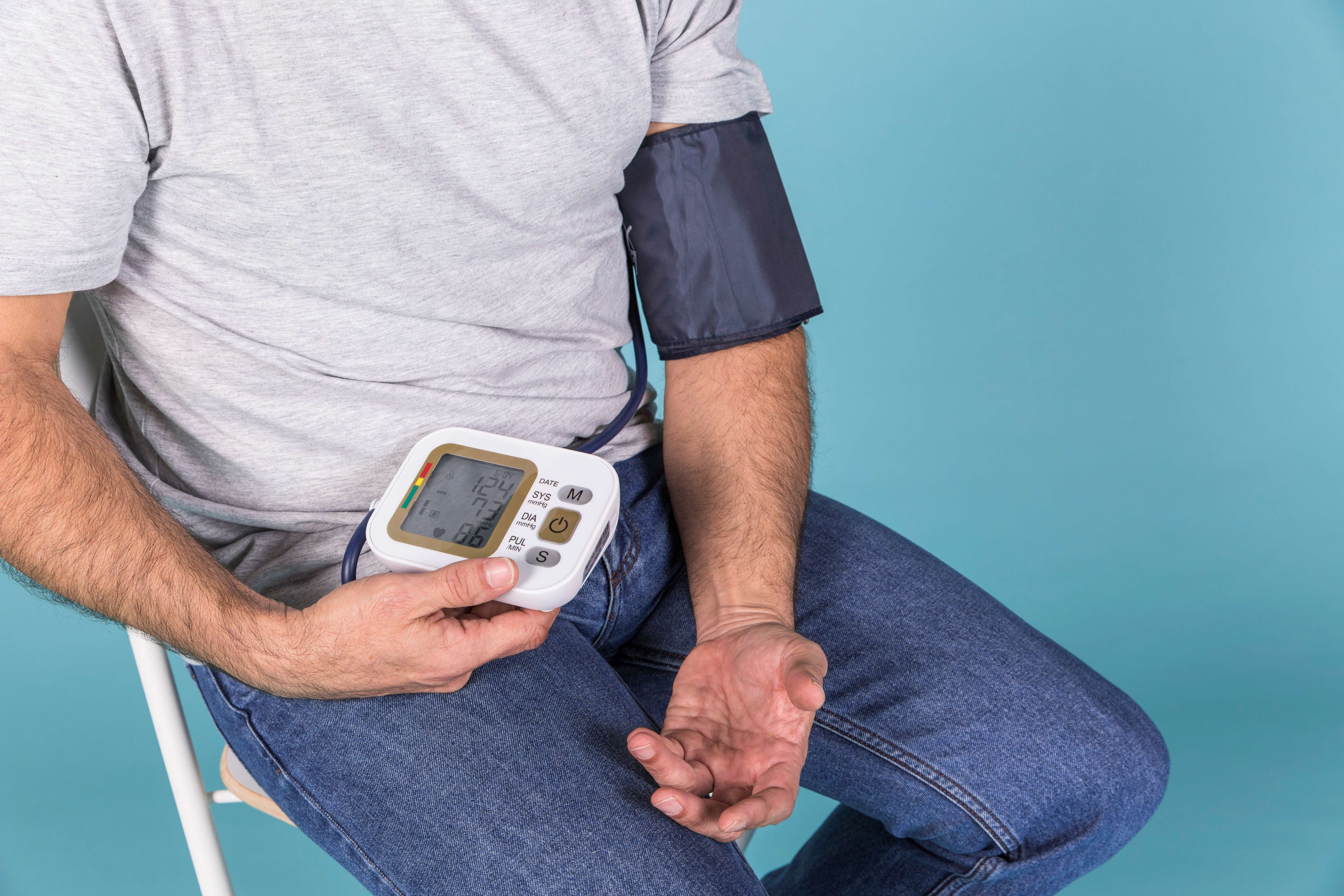

Access to quality healthcare has long been a challenge for patients in rural communities, and technology, or the lack of it, sits at the center of that gap. At a recent Tech Night Out panel hosted by Emergent Campus, Anthony Dann (Founder & CEO, Biometrica Health), Tim Miksch (VP of Operations, Biometrica Health), and Michael Archuleta (CIO, Mt. San Rafael Hospital) came together to explore how Remote Patient Monitoring is changing that equation. The conversation made one thing clear: RPM isn’t just a clinical tool. It’s a bridge between patients who need care and providers who need the ability to deliver it beyond the walls of a hospital.
The panel opened with a look at why RPM matters in rural and underfunded settings. Patients go home after visits and visibility into their conditions is lost. Continuous monitoring through a digital platform gives providers a window into what’s happening between appointments, turning reactive care into something closer to proactive. But technology adoption in rural and community health settings doesn’t happen in a vacuum. The panelists emphasized that for RPM to be implemented effectively, it has to work across existing systems. A device or platform that only integrates with one EHR or one type of equipment isn’t a solution—it’s just another silo. Biometrica’s partnered device and EHR approach directly addresses this, allowing providers to deploy monitoring in the systems they're already using.
Artificial intelligence was another major thread of the discussion, and the panelists approached it with both enthusiasm and honesty. Anthony described the real benefit of AI in RPM not as a finished product, but as a capability that gets better as time goes forward. The panel agreed that healthcare is at the advent of something significant: AI-driven predictive care that can surface insights from biometric data before a patient deteriorates. The underlying systems are maturing, and the institutions that invest in building them now will be positioned to deliver a level of proactive, personalized care that simply wasn’t possible before.
Of course, technology is only as valuable as its adoption, and that’s why implementation and workflow are heavily considered. The biggest challenge isn’t the device or the data; it’s getting providers to change the way they work. RPM that requires complex onboarding or disrupts existing clinical workflows will stall. The most compelling framing from the session? Make it simple. When the value proposition is clear, provider adoption follows.
Biometrica’s approach to RPM is built around fitting into how care teams already operate, not asking them to build new methods. That philosophy, paired with the AI and interoperability infrastructure the panel discussed, points toward a future where patients receive the same continuity of care as anyone else, regardless of geography.

About Biometrica Health
Biometrica Health is a remote and chronic care management software, empowering healthcare providers with timely, actionable biometric data, delivered in a system-neutral format, to support improved outcomes and elevate the standard of remote care for individual lives and care providers.
Media Contact
Alivia Myers
Alivia@BiometricaHealth.com
This content is for informational purposes only and does not constitute medical advice. Biometrica Health supports clinicians and care teams with remote patient monitoring technology and services.
© 2026 Biometrica Health. All rights reserved. Reproduction permitted with prior approval and attribution.
